ARTICLE 21 RIGHT TO DIE WITH DIGNITYPassive EuthanasiaAdv Sahzad ChowdhuryinSC UpdateMar 16, 2026·1 minShare
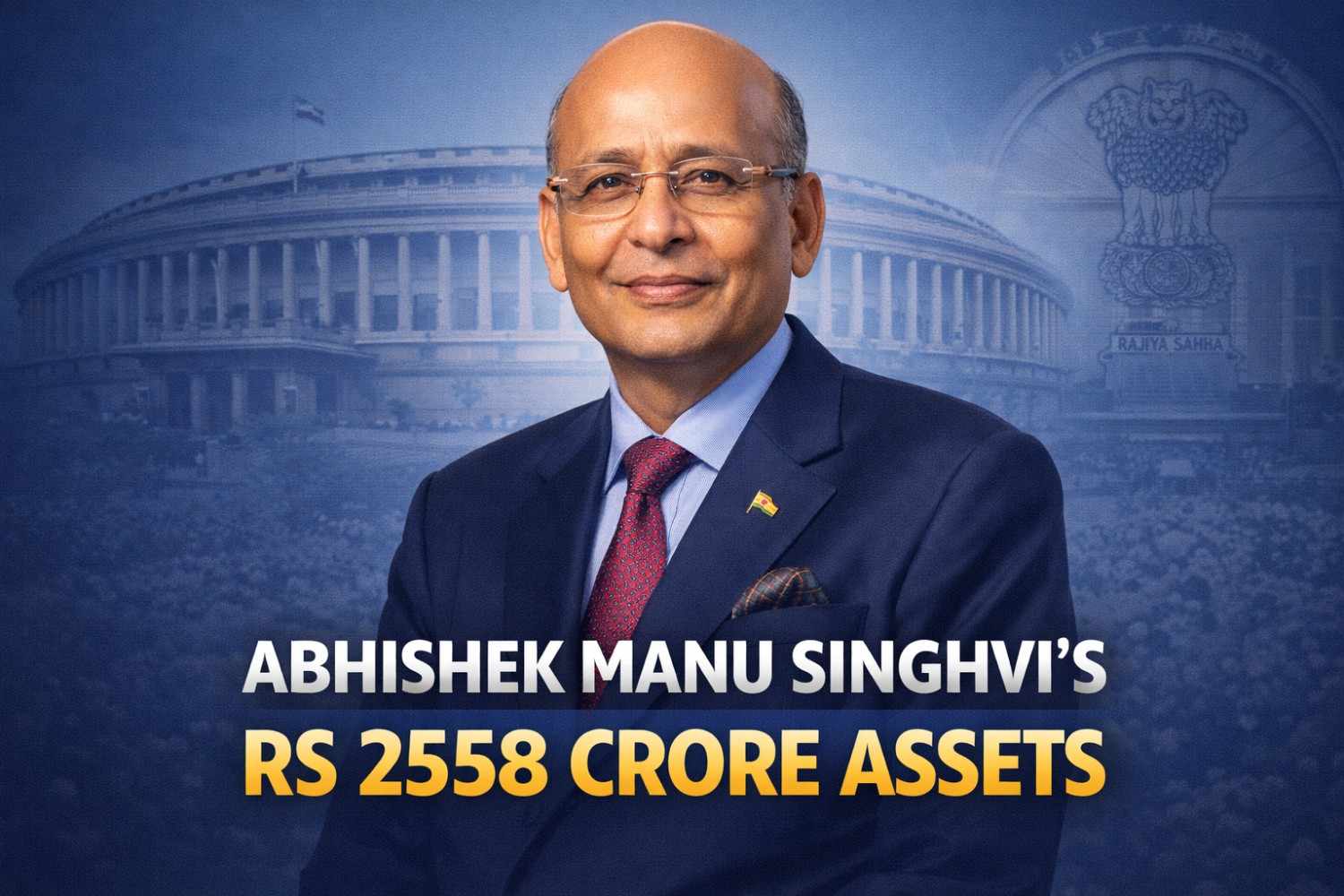
Senior Advocate Abhishek Manu Singhvi Declares 2558 Crore Assets, 374 Crore Annual Income In Rajya Sabha AffidavitMar 9, 2026·4 min
Non-Parties Beware: Supreme Court Rules Third Parties Liable for Contempt if They Knowingly Aid Disobedience of OrdersThe Supreme Court clarifies that non-parties can be held liable for contempt of court if...Manjit ThakurinSC NewsMar 3, 2026·5 minShare
High Court’s Contempt Power Not Lost Even if Supreme Court Affirms Order: SC Clarifies 'Doctrine of Merger'The Supreme Court clarifies that High Courts do not lose contempt jurisdiction under the Doctrine...Manjit ThakurinSC NewsMar 3, 2026·4 minShare
Supreme Court Flags Trial Court for Citing AI-Generated 'Fake' Judgments: "It is Misconduct, Not a Mere Error"Supreme Court of India terms the use of AI-generated fake judgments by a trial court...Manjit ThakurinSC NewsMar 3, 2026·5 minShare
Bombay HC Upholds Maternity Pay for Contract Doctors, Rejects Career vs. Motherhood ChoiceTanzeel SarwarFeb 28, 2026·4 minShare
No Inherent Power of Review: Supreme Court Rules Quasi-Judicial Authorities Cannot Reopen Decided Matters Without Statutory BackingManjit ThakurFeb 7, 2026·4 minShare
Right to Speedy Trial Overpowers UAPA: Kerala High Court Grants Bail to Alleged LTTE Operative After 4 YearsManjit ThakurFeb 25, 2026·5 minShare
POCSO Probes Must Be Child-Friendly: Gauhati High Court Acquits Man Over "Serious Deficiencies" In InvestigationManjit ThakurFeb 7, 2026·4 minShare
Can Anticipatory Bail Be Cancelled If Settlement Is Breached? Punjab & Haryana HC ExplainsManjit ThakurFeb 6, 2026·5 minShare
Non-Parties Beware: Supreme Court Rules Third Parties Liable for Contempt if They Knowingly Aid Disobedience of OrdersManjit ThakurMar 3, 2026·5 minShare
High Court’s Contempt Power Not Lost Even if Supreme Court Affirms Order: SC Clarifies 'Doctrine of Merger'Manjit ThakurMar 3, 2026·4 minShare
Supreme Court Flags Trial Court for Citing AI-Generated 'Fake' Judgments: "It is Misconduct, Not a Mere Error"Manjit ThakurMar 3, 2026·5 minShare
Senior Advocate Abhishek Manu Singhvi Declares 2558 Crore Assets, 374 Crore Annual Income In Rajya Sabha AffidavitTanzeel SarwarMar 9, 2026·4 minShare
Non-Parties Beware: Supreme Court Rules Third Parties Liable for Contempt if They Knowingly Aid Disobedience of OrdersManjit ThakurMar 3, 2026·5 minShare
High Court’s Contempt Power Not Lost Even if Supreme Court Affirms Order: SC Clarifies 'Doctrine of Merger'Manjit ThakurMar 3, 2026·4 minShare
Supreme Court Flags Trial Court for Citing AI-Generated 'Fake' Judgments: "It is Misconduct, Not a Mere Error"Manjit ThakurMar 3, 2026·5 minShare
Bombay HC Upholds Maternity Pay for Contract Doctors, Rejects Career vs. Motherhood ChoiceTanzeel SarwarFeb 28, 2026·4 minShare
Child Custody Disputes: Himachal Pradesh High Court Declines Habeas Corpus Plea by Father; Says 'Guardian Court' is the Right RemedyJurisightFeb 26, 2026·5 minShare
"Strikes at the Root of Public Conscience": Punjab & Haryana HC Denies Bail in Brutal 2021 Honour Killing CaseJurisightFeb 26, 2026·4 minShare
No Legal Vacuum: Labour Courts Retain Power Until New Tribunals Are Formed, Rules Karnataka High CourtJurisightFeb 26, 2026·4 minShare
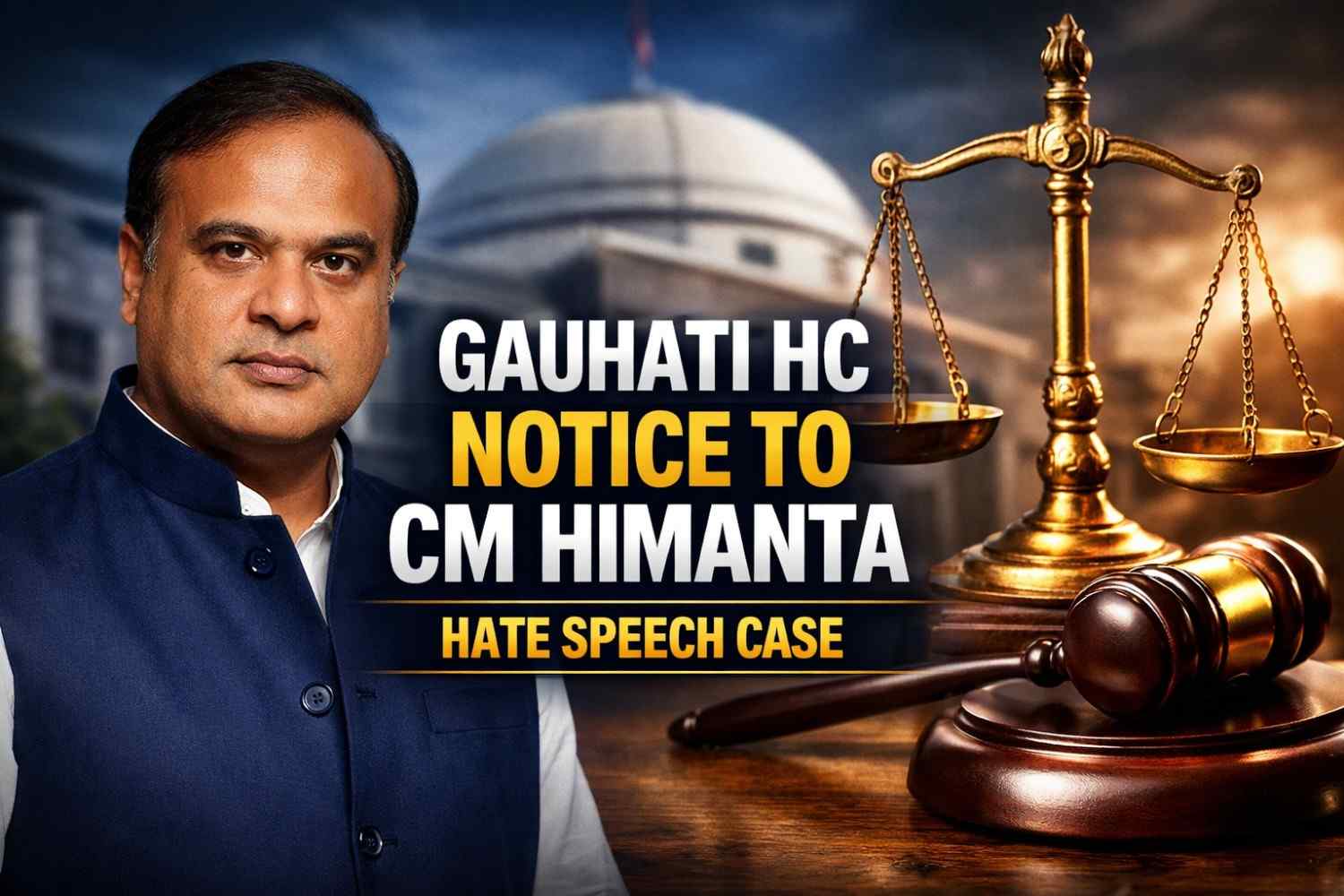
Gauhati High Court Issues Notice to CM Himanta Biswa Sarma Over Alleged 'Hate Speech' PIL: A Detailed BreakdownManjit ThakurFeb 26, 2026·5 minShare
Marketing Labels vs. Reality: Supreme Court Rules Rooh Afza is a 'Fruit Drink' for Tax PurposesManjit ThakurFeb 26, 2026·5 minShare
Document Not Traceable in Public Records? It Doesn't Automatically Mean It's Forged: Supreme Court on Section 464 IPCManjit ThakurFeb 26, 2026·4 minShare
Supreme Court Issues Landmark Nationwide Directions to Expand and Reform Open Prisons; Calls for Ending Discrimination Against Women InmatesManjit ThakurFeb 26, 2026·5 minShare